
Why Your Long Island Business Needs a Marketing Funnel (and How to Build One)
If you’re a business owner in Nassau or Suffolk County wondering why your website traffic isn’t turning into leads or sales, the issue may not be your traffic—it may be your funnel.
In 2026, successful Long Island businesses are no longer relying on referrals alone. They’re building intentional marketing funnels that guide potential customers from first click to final conversion.
Whether you’re searching for “how to create a marketing funnel for a Long Island business” or “why my website isn’t generating leads in Nassau County,” this guide will walk you through what a marketing funnel is, why it matters, and how to build one that actually drives revenue.
What Is a Marketing Funnel?
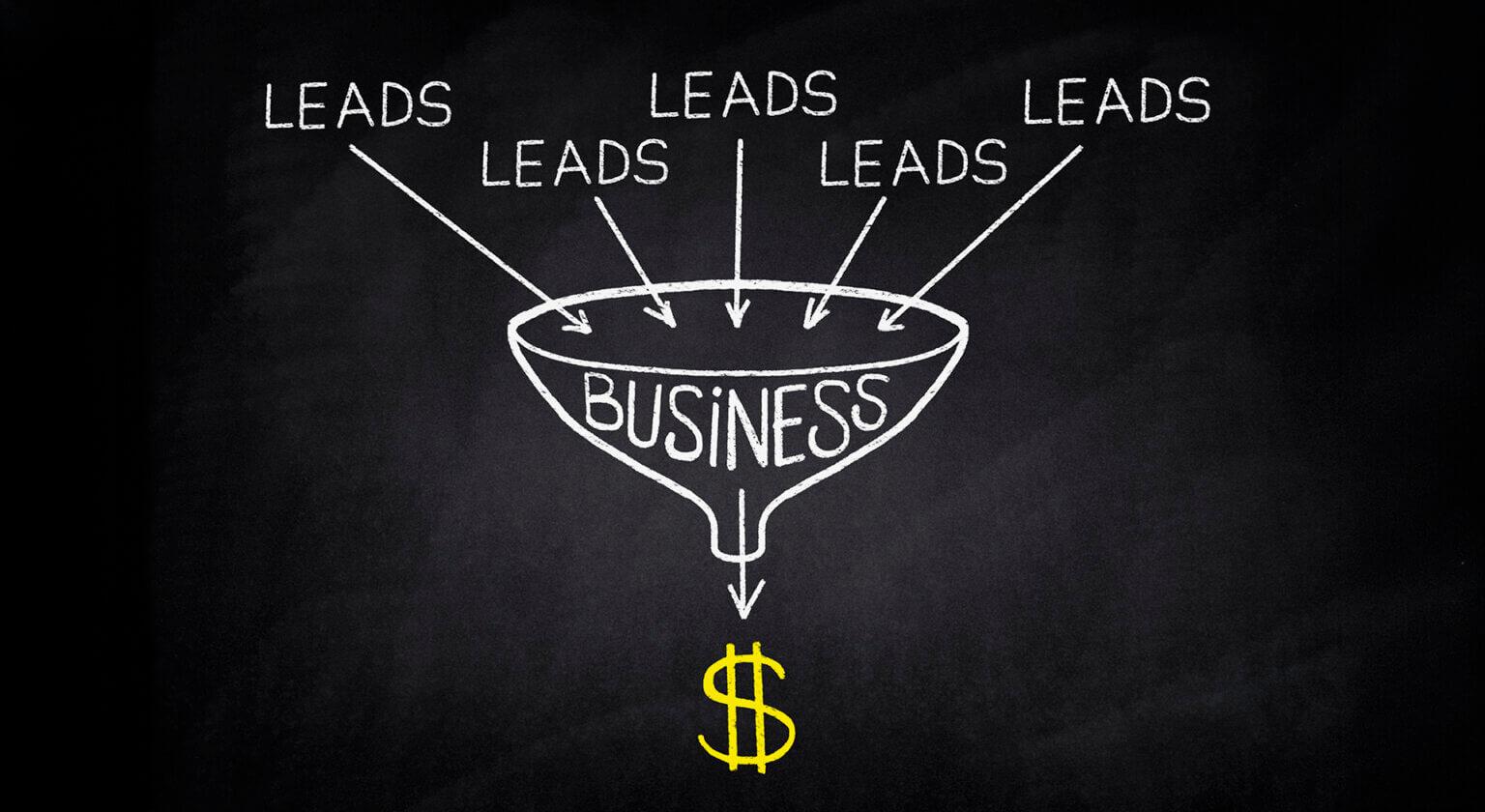
A marketing funnel is the structured journey a potential customer takes from discovering your business to becoming a paying client—and ideally, a repeat customer.
It typically includes three stages:
1. Awareness (Top of Funnel)
Customers discover your business through:
• Google search
• Social media
• Local SEO
• Online ads
• Referrals
2. Consideration (Middle of Funnel)
They evaluate your credibility through:
• Website content
• Service pages
• Case studies
• Reviews
• Educational blog posts
3. Conversion (Bottom of Funnel)
They take action:
• Submit a form
• Request a quote
• Make a purchase
• Schedule a consultation
Without a defined funnel, your website becomes a digital brochure instead of a revenue engine.
Why Long Island Businesses Specifically Need a Funnel
Long Island is competitive. Whether you’re a contractor in Huntington, a law firm in Roslyn, or an e-commerce brand shipping nationally from Suffolk County, customers have options.
A marketing funnel helps you:
• Stand out in local search results
• Build trust before the sales call
• Reduce reliance on referrals
• Generate consistent inbound leads
• Scale beyond word-of-mouth
Many businesses rank for local terms but fail to convert visitors because there’s no strategic path guiding them to the next step.
That’s where professional website strategy comes in.
For the past 20 years, Thinkhouse has designed and built brand and e-commerce websites for B2B and B2C clients—ensuring that every site functions as part of a larger marketing funnel, not just a standalone design.
You can learn more about us on the Thinkhouse Home Page.
How to Build a Marketing Funnel for Your Long Island Business
Here’s a practical, step-by-step framework you can implement.
Step 1: Optimize for Local Discovery (Top of Funnel)
If customers can’t find you, they can’t enter your funnel.
Focus on:
• Location-specific landing pages (e.g., “Roofing Company in Suffolk County”)
• Blog posts targeting long-tail keywords
• Google Business Profile optimization
• Fast, mobile-first website performance
Search engines in 2026 prioritize structured content, mobile usability, and clear messaging. A professionally designed website improves both user experience and search visibility.
Step 2: Build Authority and Trust (Middle of Funnel)
Once visitors land on your site, they need reasons to choose you.
Strengthen your consideration stage with:
• Detailed service pages
• FAQs addressing real objections
• Testimonials and reviews
• Case studies or portfolio examples
• Clear explanations of your process
This is where branding and UX design matter. Confusing navigation or outdated visuals erode trust quickly.
You can see examples of strategic brand presentation on the Thinkhouse Portfolio Page.
Step 3: Make Conversion Frictionless (Bottom of Funnel)
If someone is ready to take action, don’t make them work for it.
Ensure you have:
• Clear, repeated calls to action
• Simple contact forms
• Click-to-call buttons for mobile
• Streamlined e-commerce checkout
• Transparent pricing or next steps
For B2B companies, this might mean an easy consultation booking system.
For B2C e-commerce brands, it means reducing cart abandonment and optimizing checkout.
Common Funnel Mistakes Long Island Businesses Make
Avoid these frequent issues:
• Driving paid traffic to a generic homepage
• No dedicated landing pages for services
• Weak or hidden calls to action
• No email capture strategy
• Outdated branding that hurts credibility
• Slow-loading mobile sites
Each of these leaks potential revenue.
Bonus: Don’t Forget Post-Conversion
A marketing funnel doesn’t end at the sale.
Smart Long Island businesses nurture customers through:
• Email marketing
• Retargeting ads
• Loyalty programs
• Follow-up sequences
• Educational content
Repeat customers are easier—and more profitable—than constantly chasing new ones.
The Bottom Line: A Website Without a Funnel Is Just Decoration
If you’ve been asking:
• “Why isn’t my Long Island website generating leads?”
• “How do I build a marketing funnel for my local business?”
• “What’s the best way to turn website traffic into sales?”
The answer is structure, strategy, and intentional design.
A well-built marketing funnel aligns SEO, branding, user experience, and conversion strategy into one cohesive system.
With 20 years of experience helping B2B and B2C companies design and build brand-driven and e-commerce websites, Thinkhouse understands how to turn local visibility into long-term growth.
Because in 2026, Long Island businesses that win aren’t just getting traffic.
They’re guiding it.



Questions?
Have a digital marketing question? Looking for some guidance? Send us a message and we'd be more than happy to help.
Sign up!
Join our mailing list for helpful insights.